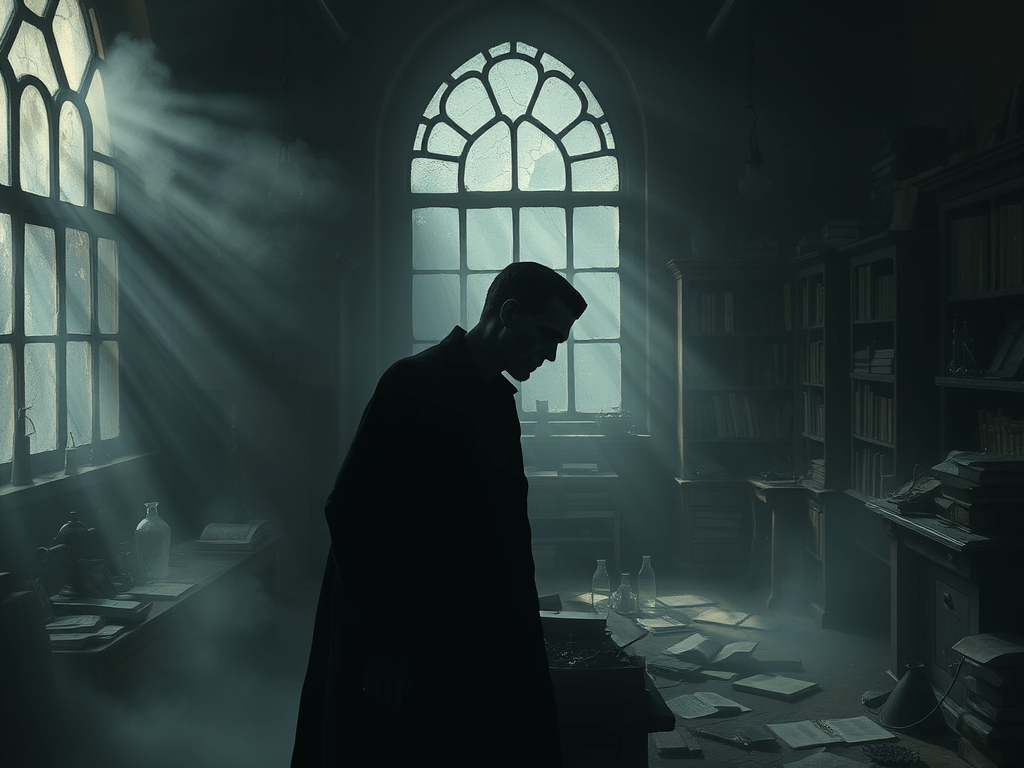
I hadn’t realized that the novel “Frankenstein” was more than 200 years old, a timeless piece of literature that first graced the world in 1818. As I turned the pages, the weight of its history struck me profoundly; it felt surreal to connect with a story penned so long ago yet still resonant today. The themes of creation, isolation, and the ethical dilemmas surrounding scientific ambition echoed with startling clarity in our modern age, particularly in light of rapid advancements in technology and artificial intelligence. This revelation deepened my appreciation for Mary Shelley’s work, which continues to challenge and provoke thought, reminding us that the questions of humanity and accountability are as relevant now as they were over two centuries ago.
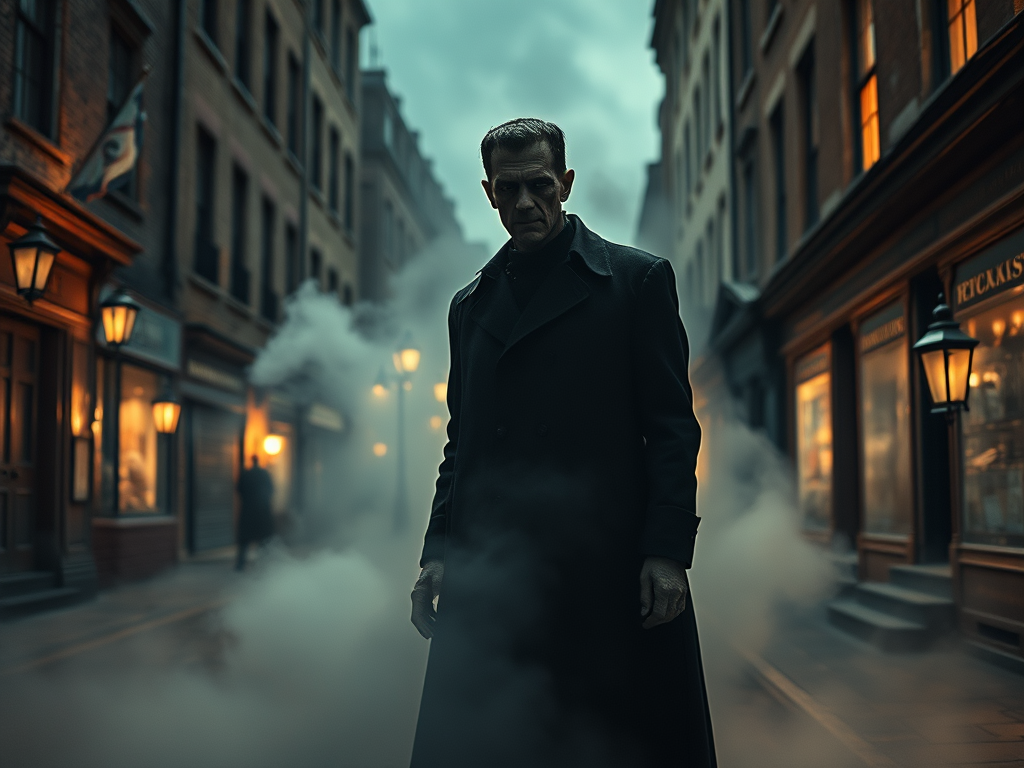
Once upon a time, in the bustling streets of London during the early 19th century, there lived a remarkable young woman named Mary Shelley. Born in the enchanting year of 1797, she was the daughter of two brilliant minds, William Godwin and Mary Wollstonecraft. In her home, ideas flowed like rivers, and grand discussions filled the air, shaping her thoughts and dreams.
As Mary grew older, her imagination blossomed, and she began to write stories that danced with the wonders and dangers of knowledge. One fateful evening, while tales of creation and ambition whispered in her ear, Mary conceived her most famous story, “Frankenstein; or, The Modern Prometheus.” With each stroke of her pen, she brought to life a tale that would echo through the ages.
In her story, there lived a passionate scientist named Victor Frankenstein. Fueled by an insatiable curiosity, Victor devoted himself to unraveling the mysteries of life itself. He delved into the realm of the unknown, gathering pieces of the past to create something extraordinary. After tireless nights of work, he succeeded in breathing life into a being crafted from remnants of the dead.
But alas, when Victor stood before his creation, a wave of horror washed over him. Instead of joy, he felt revulsion at the sight of the creature he had summoned into the world. Abandoned and alone, the creature wandered through the shadows, yearning for love and acceptance. Much like an innocent child, it sought companionship, only to find rejection and fear from those around it.
The monster’s heart ached as it faced the world, and the sadness brewed into anger. It became determined to confront its creator, Victor Frankenstein, whose neglect had cast it into a life of misery. A tragic chain of events unfolded, leading both creator and creature further down a dark and perilous path.
As time passed, Mary’s tale of Victor and his monstrous creation began to resonate in ways she could scarcely imagine. Fast forward to our own time, and the world had embraced a new magic: artificial intelligence. Just as Victor had sought to push the boundaries of nature, today’s inventors and scientists dreamed of unlocking the secrets of technology. They built machines capable of learning, creating, and even thinking.
But Mary’s story lingered, whispering powerful truths. Just like Victor, these modern creators faced profound questions: Could they truly control their creations? What happens when artificial beings act in ways nobody expected? The memories of Victor’s anguish served as a cautionary tale for a new generation, urging thinkers to tread carefully in their pursuit of knowledge.
Ethical dilemmas began to swirl like a storm. If an AI made a decision that caused harm, who would be responsible? Would society embrace these new wonders, or would fear keep them at a distance, much like the villagers who shunned Victor’s creature?
Mary’s heart-wrenching narrative reminded all who read it of the deep-seated connections between creator and creation. The longing for companionship, the depths of ambition, and the responsibilities that come with creation echoed through time, encouraging reflection and thought.
As Mary Shelley crafted her story, she perhaps did not know how profoundly it would resonate across centuries. The questions she posed were not just tales for the ages; they were invitations to think deeply about the powers we wield. Those who ventured into the realms of technology were called to remember that with great power comes great responsibility.
And so, the legacy of Mary Shelley and her tale of “Frankenstein” continued to captivate minds, reminding us that the quest for knowledge should always walk hand in hand with compassion and understanding. In our journey through this world of wonders, we must ponder: what should we create, and how can we ensure that our creations serve humanity rather than lead us astray?
In this way, Mary’s story lives on, urging us to listen, learn, and tread wisely in the ever-unfolding tale of creation. The echoes of the past whisper in our ears, guiding us toward a hopeful future.


Leave a reply to Veerites Cancel reply